Transmissions That Actually Shift and Hold
Transmission Diagnostics and Repair in Roscoe for slipping gears, delayed engagement, and leaking fluid
When a transmission slips between gears, hesitates before engaging, or leaves spots under the vehicle, the problem rarely fixes itself. Holmes Shop handles transmission diagnostics and repair for automatic and manual vehicles in Roscoe, working with passenger cars, diesel trucks, and heavy-duty applications used across West Texas. The owner learned transmission work early in his mechanical training, rebuilding units and diagnosing drivetrain performance issues on everything from daily drivers to commercial equipment.
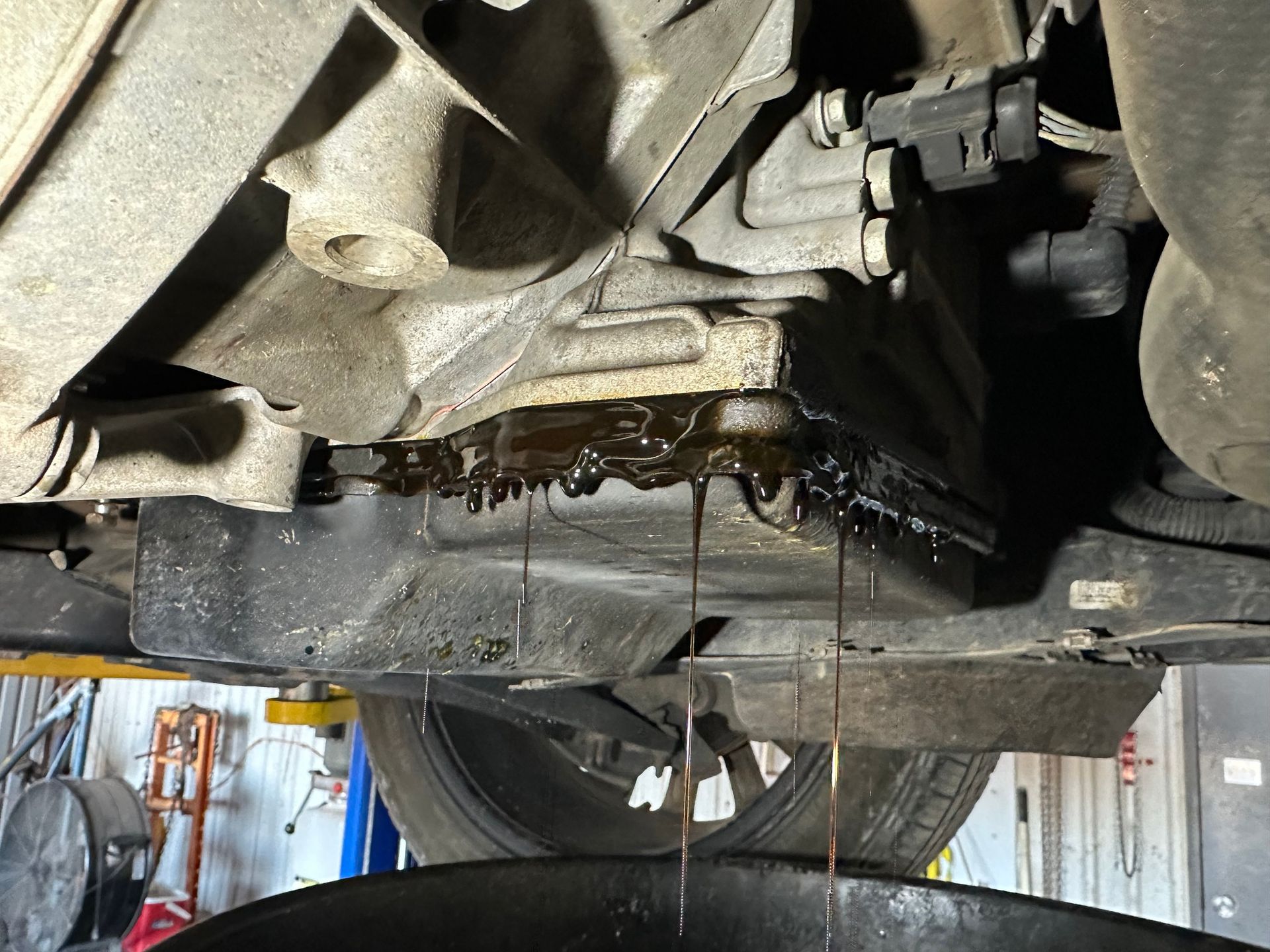
This service identifies what's causing shifting problems, leaks, or delayed response when you accelerate, then determines whether the transmission needs adjustment, component replacement, or full rebuild. Diagnostics include fluid analysis, pressure testing, and inspecting clutch packs, valve bodies, seals, and torque converters to pinpoint the failure before recommending repair options.
Schedule a transmission inspection to determine what's failing and what repair approach makes sense for your vehicle.
Why Transmissions Fail and What Repair Actually Involves
Transmission failure typically starts with worn clutch material, degraded seals, or contaminated fluid that no longer lubricates or transfers hydraulic pressure correctly. Hard shifts, slipping under load, or grinding between gears all signal internal wear that progresses quickly once it starts. Repair involves disassembly, cleaning all components, replacing worn friction plates, seals, and gaskets, then reassembling with correct clearances and fresh fluid matched to the transmission type.
After repair, you'll notice smooth shifts without hesitation, consistent engagement when you accelerate, and no slipping when towing or climbing grades. Holmes Shop focuses on accurate diagnostics so you understand what's actually damaged and what repair scope prevents repeat failures. Heavy-duty applications and diesel trucks get the same inspection process, with attention to torque capacity and heat buildup that affects work vehicles differently than passenger cars.
Preventive inspections catch low fluid levels, early seal leaks, and contamination before they destroy internal components. Regular fluid service and filter replacement extend transmission life, particularly for vehicles that tow frequently or operate in stop-and-go conditions that generate heat and stress the system.
What Vehicle Owners Ask About Transmission Work
Transmission problems range from simple fluid leaks to complete internal failure, and the questions below address what most drivers want to know before bringing in a vehicle that's shifting poorly or leaking.
What causes a transmission to slip between gears?
Slipping happens when clutch packs wear down and can no longer hold friction under load, or when hydraulic pressure drops due to internal leaks, so the transmission can't maintain gear engagement during acceleration or under stress.
How do you determine if a transmission needs rebuild or replacement?
Diagnostics include pressure tests, fluid analysis for metal contamination, and visual inspection during disassembly to assess wear on clutches, bands, valve bodies, and hard parts, then the decision comes down to whether core components are salvageable or damaged beyond cleaning and replacement of wear parts.
Why does a transmission leak after sitting overnight?
Seals harden and shrink over time, and when the vehicle sits, fluid pressure drops, allowing seepage through cracked or compressed gaskets and O-rings that otherwise hold when the system is warm and pressurized.
What's different about diagnosing diesel truck transmissions versus passenger vehicles?
Diesel transmissions handle higher torque loads and often include additional clutch packs, heavier valve bodies, and different fluid requirements, so diagnostics focus more on heat-related wear, torque converter lockup function, and towing-related stress patterns common in Roscoe work trucks.
How does fluid maintenance prevent transmission failure?
Clean fluid maintains hydraulic pressure, lubricates moving parts, and dissipates heat, while degraded fluid loses viscosity and picks up metal particles that clog passages and accelerate clutch wear, so regular fluid and filter changes remove contaminants before they damage internal components.
Holmes Shop approaches transmission work with the same diagnostic standards used for oil field equipment and heavy-duty applications, where failures mean downtime and expensive repairs. Request a transmission evaluation to identify the source of shifting problems or leaks and get a clear repair estimate.