Brakes That Stop Without Fading or Noise
Brake System Repair in Roscoe for worn components, soft pedals, and vibrations during stopping
Brake noise, pedal vibration, or a spongy feel when you press down all indicate wear or hydraulic problems that compromise stopping power. Holmes Shop performs brake repair and inspection for passenger vehicles, trucks, and semis in Roscoe, diagnosing issues with rotors, pads, calipers, hydraulic lines, and master cylinders across both gas and diesel platforms. The owner's background includes brake system work on personal vehicles and heavy-duty oil field equipment, where reliable braking matters for safety on highways and during towing.
Brake service involves measuring rotor thickness, checking pad material depth, testing hydraulic pressure for leaks or air in the lines, and inspecting calipers for binding or uneven piston travel. Work-related vehicles and trucks used for hauling generate more heat and wear brake components faster than daily drivers, so inspection intervals depend on how the vehicle is used and what loads it carries.
Arrange a brake inspection to measure remaining component life and address stopping performance concerns before they worsen.
How Brake Wear Shows Up and What Gets Replaced
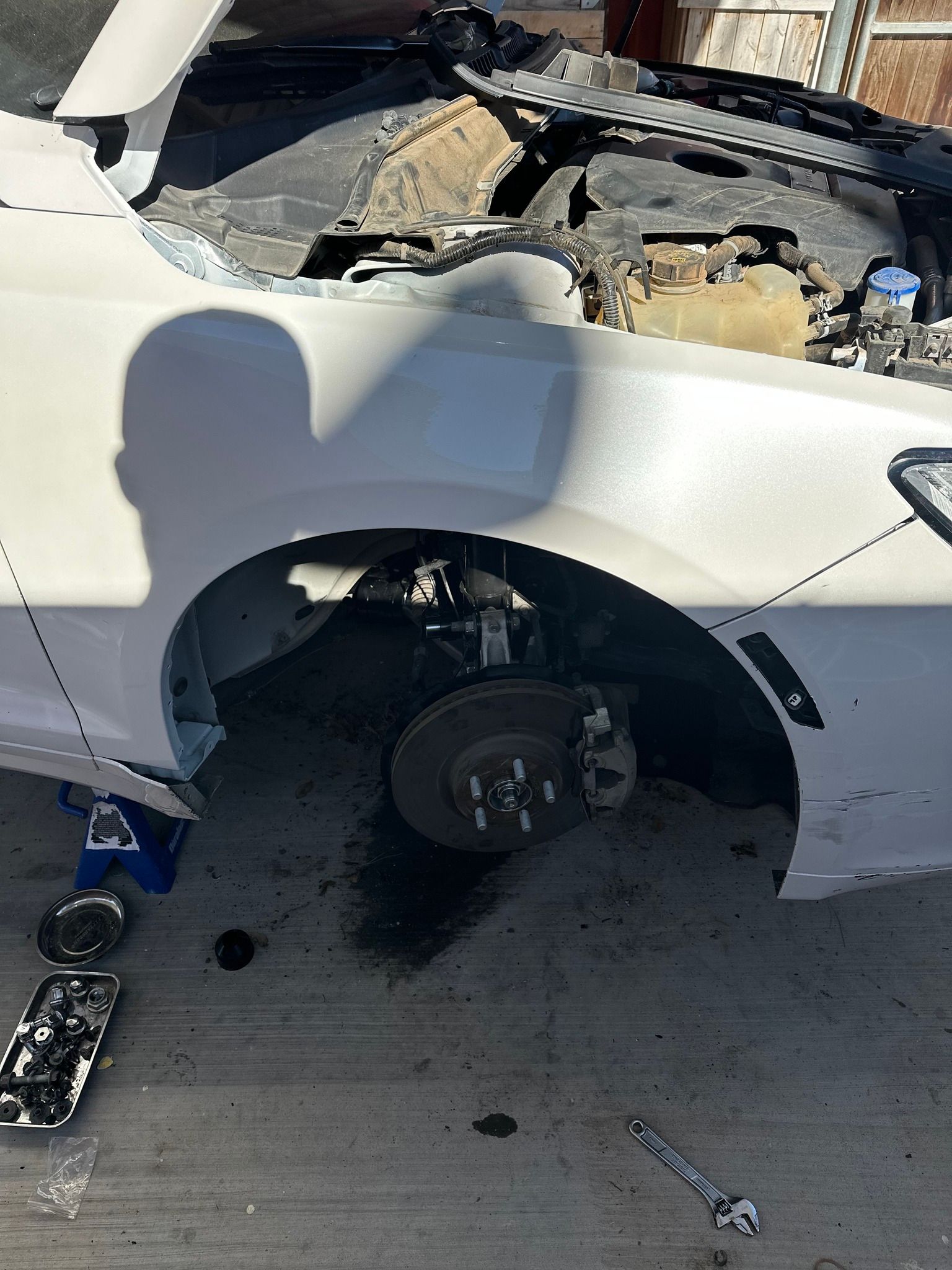
Brake pads wear unevenly when calipers stick or when rotors develop grooves that prevent full contact across the friction surface. Vibrations during braking typically mean warped rotors caused by repeated heat cycling, while a soft pedal indicates air in the hydraulic lines or a failing master cylinder that can't maintain pressure. Repair includes replacing worn pads, resurfacing or replacing rotors, rebuilding or replacing calipers, and bleeding the system to remove air and restore firm pedal feel.
Once completed, you'll notice immediate pedal response without sinking or sponginess, smooth stopping without pulsing through the pedal or steering wheel, and quiet operation without squealing or grinding. Brake performance stays consistent across repeated stops, even under load, because fresh components dissipate heat properly and maintain contact throughout the braking cycle.
Semi and heavy-duty truck brakes require larger rotors, higher-capacity calipers, and different pad compounds rated for weight and heat, so service standards adjust based on vehicle class. Regular inspections catch thin pads, scored rotors, and early caliper binding before metal-to-metal contact destroys rotors and creates safety risks on the road.
Frequent Questions About Brake Repair
Brake problems create safety concerns and often get worse quickly, so the questions below cover what drivers typically ask when dealing with stopping issues or unusual pedal behavior.
What causes brake pedal vibration when stopping?
Vibration comes from warped rotors that develop uneven surfaces due to heat cycling, and when the pads contact the high and low spots during braking, the pulsing transfers through the pedal and sometimes the steering wheel.
Why do brakes squeal even after replacing pads?
Squealing happens when pad material hardens from heat, when rotors are glazed and prevent proper bedding, or when anti-rattle clips and shims are missing or installed incorrectly, allowing metal-to-metal vibration that creates noise.
How do you know if a caliper is sticking?
A sticking caliper causes uneven pad wear, pulls the vehicle to one side during braking, and often leaves one wheel hotter than the others after driving, because the piston doesn't release fully and maintains constant friction even when you're not pressing the pedal.
What's involved in bleeding brake lines?
Bleeding removes air pockets trapped in the hydraulic system by forcing fresh fluid through each caliper or wheel cylinder in a specific sequence, starting from the wheel farthest from the master cylinder, until only bubble-free fluid exits and pedal firmness returns.
How does towing affect brake wear in Roscoe work trucks?
Towing increases weight and requires more braking force, which generates additional heat that accelerates pad wear, warps rotors faster, and stresses hydraulic components, so trucks used for hauling need more frequent inspections than vehicles driven unloaded on flat highways.
Holmes Shop applies the same safety-focused approach to brake work that kept oil field equipment and semis operating reliably under demanding conditions. Book a brake system evaluation to identify worn components and restore dependable stopping performance.