Electrical Systems That Actually Function Reliably
Automotive Electrical and Wiring Repair in Roscoe for lighting failures, charging issues, and wiring faults
Electrical problems in vehicles range from simple bulb failures to complex wiring faults that cause intermittent malfunctions across multiple systems. When lights flicker, batteries drain overnight, or charging systems fail, the problem often hides in corroded connections, damaged wiring, or faulty components that require methodical diagnostics to locate. Holmes Shop performs electrical diagnostics and wiring repairs for gas and diesel vehicles in Roscoe, troubleshooting lighting issues, charging system concerns, battery problems, and electrical malfunctions across passenger vehicles and commercial-use trucks.
This service uses voltage testing, continuity checks, and circuit tracing to identify open circuits, shorts, and voltage drops that cause systems to fail or operate erratically. Experience maintaining oil field equipment, semis, and heavy-duty work vehicles taught the owner how electrical systems fail under vibration, heat, and corrosion—conditions that affect vehicles used in demanding environments differently than daily drivers.
Schedule electrical diagnostics to locate the source of lighting, charging, or wiring problems before they leave you stranded.
How Electrical Failures Develop and What Repair Involves
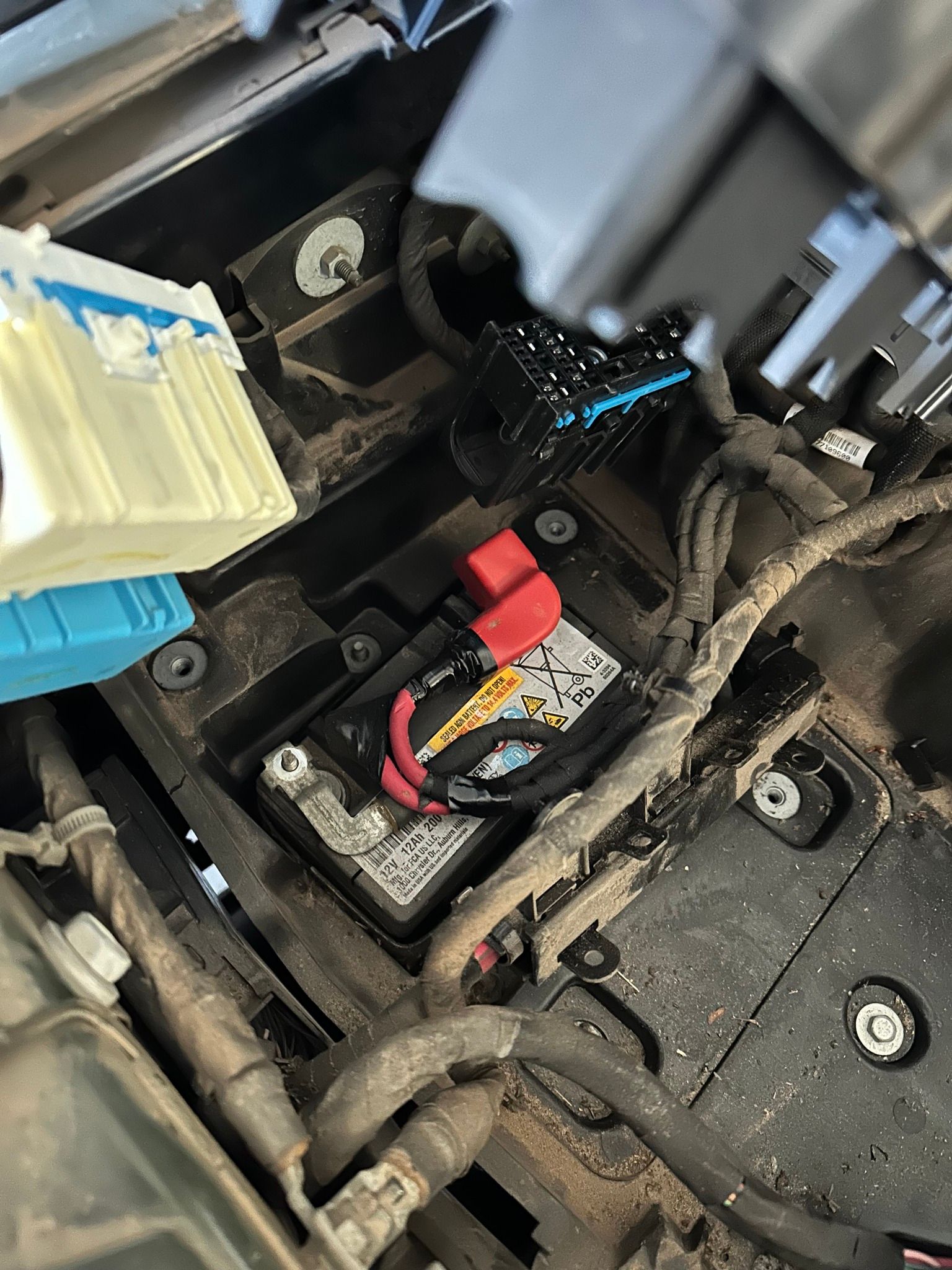
Wiring faults typically start with insulation damage from heat, abrasion, or rodent activity, creating shorts that blow fuses or opens that disconnect power to specific circuits. Charging system failures happen when alternators wear out, voltage regulators fail, or corroded battery terminals create resistance that prevents proper charging. Lighting issues come from failed bulbs, corroded sockets, damaged switches, or ground faults that interrupt current flow. Repair involves tracing circuits to locate faults, replacing damaged wiring sections with properly sized and insulated wire, cleaning or replacing corroded terminals and connectors, and testing voltage and amperage across the system to confirm normal operation.
Once electrical repairs are complete, you'll notice consistent lighting operation without flickering or dimming, reliable starting without battery drain, and charging system performance that maintains battery voltage during driving. Gauges, accessories, and control modules function without intermittent failures because clean connections and intact wiring restore proper current flow throughout the electrical system.
Heavy-duty trucks and diesel vehicles use higher-amperage charging systems, additional batteries, and more complex wiring harnesses with multiple ground points, so diagnostics account for the increased electrical load and different component configurations. Preventive inspection catches corroded terminals, frayed wiring, and failing alternators before complete system failure occurs.
Questions About Electrical and Wiring Repairs
Electrical problems frustrate vehicle owners because symptoms often appear and disappear unpredictably, and the questions below cover what drivers typically ask when dealing with unexplained electrical issues.
What causes a battery to drain overnight?
Overnight drain happens when a parasitic load—like a trunk light that stays on, a faulty module that doesn't enter sleep mode, or a short circuit in the wiring—continuously draws current even when the vehicle is off and the key is removed.
How do you diagnose an alternator that's not charging?
Alternator diagnostics include testing output voltage at the battery with the engine running, checking for voltage drops across connections and cables, inspecting belt tension, and measuring diode function inside the alternator to determine if it's producing adequate amperage or if internal components have failed.
Why do lights flicker or dim at idle?
Flickering or dimming at idle indicates the alternator isn't producing enough voltage at low RPM, or corroded battery terminals are creating resistance that drops available voltage when electrical load increases from accessories like headlights and HVAC systems.
What's involved in repairing damaged wiring?
Wiring repair requires identifying the damaged section, cutting out the compromised wire, splicing in new wire of the correct gauge, soldering or crimping connections, applying heat shrink to insulate and protect the splice, then securing the repaired section away from heat sources and moving parts.
How does working on oil field equipment in West Texas prepare you for automotive electrical work?
Oil field equipment operates in harsh conditions with extreme vibration, heat, dust, and moisture that accelerate electrical failures, so diagnosing and repairing those systems builds experience with corrosion patterns, wiring protection methods, and troubleshooting techniques directly applicable to passenger vehicles and work trucks facing similar environmental stress.
Holmes Shop handles electrical diagnostics using systematic troubleshooting methods proven effective on complex heavy-duty systems. Contact the shop directly at (325) 933-1969 to arrange an electrical system evaluation and wiring repair estimate.