Finding What's Actually Wrong Before Repairs
Full Mechanical Diagnostics in Roscoe for vehicles showing warning lights or performance changes
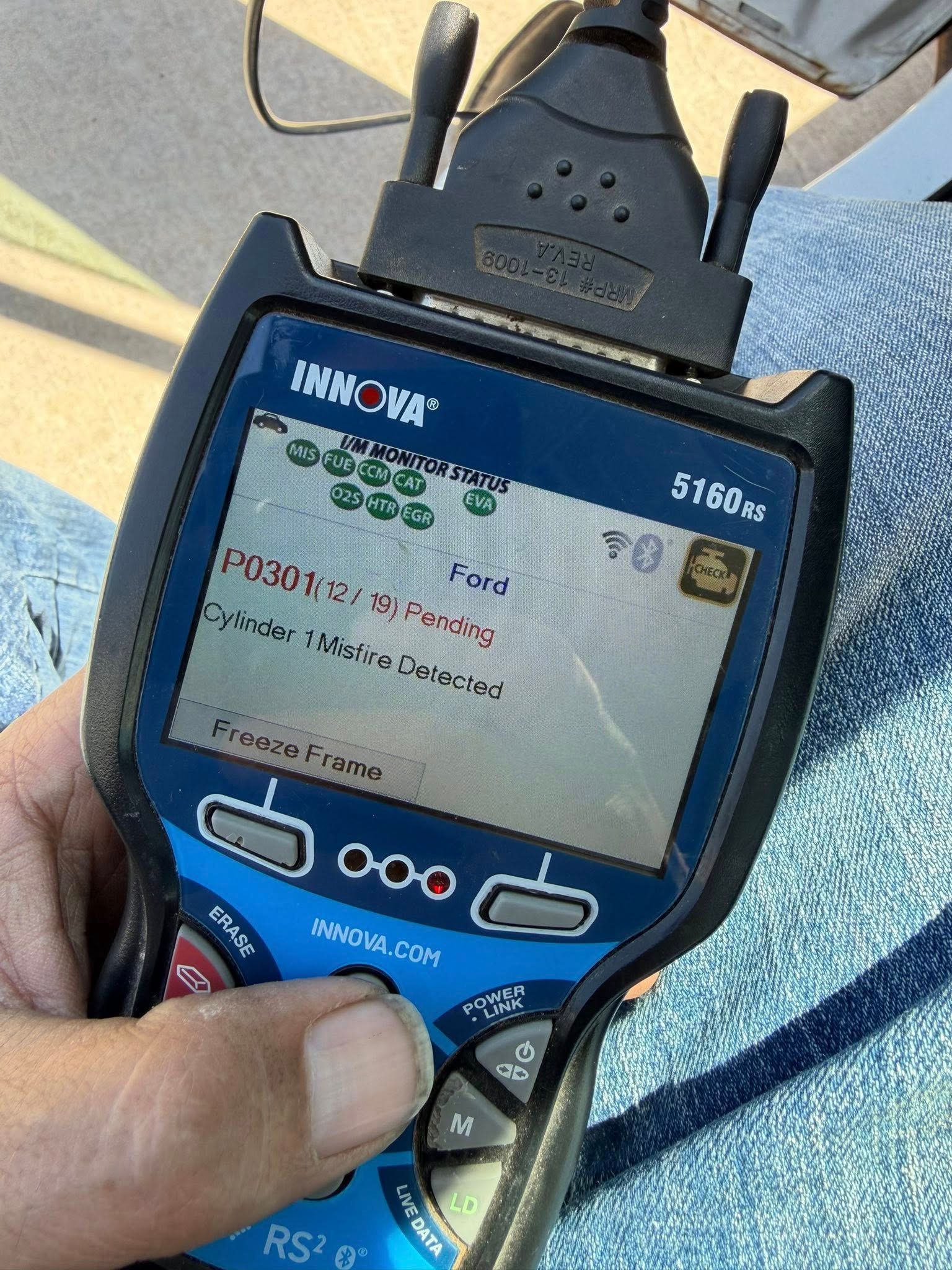
Warning lights appear on the dashboard, the truck loses power climbing hills, or fluid pools under the vehicle overnight. Holmes Shop performs complete diagnostic testing in Roscoe to identify the actual cause behind these symptoms before recommending repairs. The diagnostics cover passenger vehicles, diesel trucks, and semis, using scan tools, mechanical inspection, and hands-on testing to pinpoint issues in electrical systems, engine components, fluid systems, and drivetrain assemblies.
Diagnostic work involves retrieving trouble codes, testing sensor outputs, inspecting physical components for wear or damage, and running operational tests to recreate the problem under controlled conditions. This process separates symptoms from causes—an overheating engine might be caused by a faulty thermostat, a clogged radiator, a failing water pump, or a blown head gasket, and each requires a different repair approach.
Schedule professional vehicle diagnostics to identify the source of drivability or mechanical concerns.
Why Diagnostics Prevent Unnecessary Work
Proper diagnostics test multiple systems to isolate the problem rather than replacing parts based on guesses. Holmes Shop's approach draws on years of vehicle maintenance, transmission work, and oil field equipment repairs, where incorrect diagnosis leads to repeated failures and expensive trial-and-error repairs. Testing includes checking wiring continuity for electrical faults, measuring fuel pressure for drivability issues, and inspecting brake components when pedal feel changes or stopping distance increases.
Once testing is complete, you'll know which component failed, why it failed, and what happens if the repair is delayed. The difference between a sensor reporting false readings and an actual mechanical failure becomes clear, allowing you to prioritize repairs based on safety, vehicle reliability, and budget rather than guessing at the most likely cause.
Diagnostics work for both personal vehicles used for commuting and work-related equipment that operates in demanding conditions. The testing process is the same whether the vehicle hauls loads across West Texas or transports a family to school and work daily.
Questions Before Diagnostic Testing
Diagnostic work raises practical questions about what the testing reveals, how long it takes, and what happens after the problem is identified.
What does diagnostic testing actually check?
Testing retrieves stored trouble codes, measures sensor outputs, inspects physical components, and performs operational tests to identify electrical issues, drivability concerns, fluid leaks, brake problems, and engine performance failures across gas and diesel systems.
How long does a full diagnostic take?
Complete testing typically requires one to two hours depending on how many systems are involved, whether the problem is intermittent, and how easily the issue can be recreated during testing.
What happens after the diagnostic is finished?
You receive a detailed explanation of what was found, which components failed or are failing, and what repair options address the root cause rather than just the symptoms.
Why do some problems require more testing than others?
Intermittent issues like electrical faults that only occur when the vehicle is hot or under load require additional observation and testing cycles to capture the failure as it happens, especially in Roscoe's heat where temperature-related failures are common.
Can diagnostics identify problems before they cause breakdowns?
Testing often reveals wear patterns or component degradation that hasn't caused a complete failure yet, allowing repairs to be scheduled before the vehicle is stranded or unsafe to drive.
Holmes Shop provides dependable diagnostic testing for vehicles showing signs of mechanical or electrical trouble. Arrange a diagnostic appointment to identify issues accurately before moving forward with repairs.